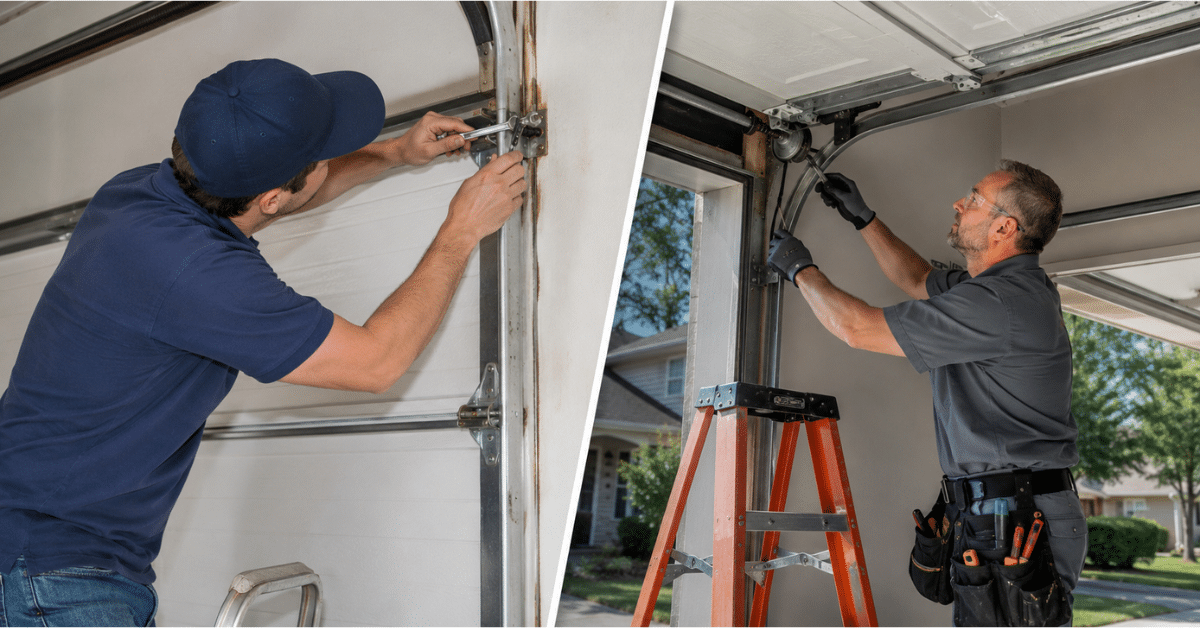
When a garage door stops working, many homeowners wonder whether they should fix it themselves or hire an expert. While DIY repairs may seem cheaper and convenient, garage doors are heavy mechanical systems with high-tension components that can become dangerous if handled incorrectly. Understanding the differences between DIY vs professional garage door repair is essential for protecting your safety, avoiding expensive damage, and ensuring long-term reliability.
Some minor garage door issues can safely be handled at home, such as lubricating moving parts or replacing remote batteries. However, more complex repairs involving springs, cables, tracks, or motors should usually be left to trained professionals. In this guide, you’ll learn the safety risks, benefits, costs, and key differences between DIY and professional garage door repair so you can make the right decision for your home.
DIY vs Professional Garage Door Repair: Quick Comparison
| Factor | DIY Garage Door Repair | Professional Garage Door Repair |
| Cost | Lower upfront cost | Higher upfront cost |
| Safety | Higher injury risk | Safer and controlled |
| Skill Required | Moderate to advanced | Expert-level service |
| Repair Quality | Depends on experience | Reliable and long-lasting |
| Time Required | Can take hours | Usually completed quickly |
| Warranty | No warranty | Often includes warranty |
| Tools Needed | Must buy or rent tools | Tools already included |
What Is DIY Garage Door Repair?
DIY garage door repair refers to fixing garage door problems without professional help. Many homeowners attempt repairs after watching online tutorials or reading guides.
Common DIY Garage Door Tasks
Some garage door maintenance tasks are relatively safe for homeowners.
- Lubricating Moving Parts: Applying lubricant to rollers, hinges, and tracks helps reduce noise and friction.
- Replacing Remote Batteries: A simple battery replacement can restore remote functionality.
- Tightening Loose Hardware: Bolts and brackets may loosen over time due to vibration.
- Cleaning Garage Door Tracks: Removing debris can improve smooth operation.
These tasks usually involve low risk and basic tools.
What Is Professional Garage Door Repair?
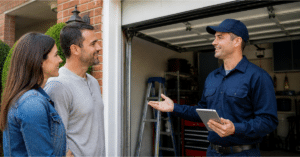
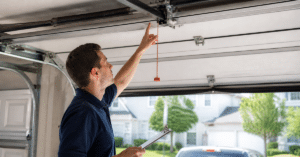
Professional garage door repair involves trained technicians diagnosing and repairing garage door systems safely and efficiently.
Services Professionals Commonly Handle
- Broken Spring Replacement: Garage door springs are under extreme tension and can cause serious injuries if mishandled.
- Cable Repairs: Damaged cables can snap unexpectedly and create safety hazards.
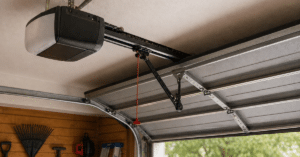
- Garage Door Opener Repairs: Professionals can safely repair electrical and motor-related issues.
- Track Alignment and Panel Repairs: Proper alignment ensures smooth and safe door movement.
Professional technicians have specialized tools and experience to complete repairs correctly.
Why Garage Door Repairs Can Be Dangerous
Garage doors may look simple, but they contain heavy components and high-tension systems.
Major Safety Risks in DIY Garage Door Repair
- Spring Injuries: Torsion springs store massive amounts of energy. If released improperly, they can cause severe injuries.
- Falling Doors: A garage door can weigh hundreds of pounds. Incorrect repairs may cause the door to collapse.
- Electrical Hazards: Garage door openers involve electrical wiring and motor systems.
- Incorrect Installations: Improper repairs may damage the entire system or reduce safety performance.
Understanding these risks is critical when comparing DIY vs professional garage door repair.
Benefits of DIY Garage Door Repair
DIY repair has advantages for homeowners comfortable with basic maintenance tasks.
1. Lower Initial Cost: You can avoid labor charges by handling small repairs yourself.
2. Immediate Convenience: Minor issues can often be fixed quickly without scheduling appointments.
3. Learning Experience: Some homeowners enjoy learning maintenance skills for future use.
4. Good for Basic Maintenance: Simple maintenance tasks help extend the life of the garage door system.
However, DIY repair should only be considered for low-risk tasks.
Drawbacks of DIY Garage Door Repair
Although DIY repair may save money initially, mistakes can become expensive and dangerous.
- 1. Increased Safety Risks: Incorrect handling of springs or cables can lead to serious injury.
- 2. Lack of Proper Tools: Professional-grade tools are often necessary for accurate repairs.
- 3. Possible Misdiagnosis: Without experience, homeowners may overlook the real problem.
- 4. No Repair Warranty: DIY repairs usually do not include guarantees or warranties.
- 5. Higher Long-Term Costs: Improper repairs can damage other garage door components.
These disadvantages make professional help the safer option for major issues.
Benefits of Professional Garage Door Repair
Hiring professionals provides safety, efficiency, and long-term reliability.
1. Improved Safety: Technicians are trained to safely handle high-tension parts and heavy doors.
2. Accurate Problem Diagnosis: Professionals can identify hidden issues before they worsen.
3. Faster Repairs: Most repairs are completed quickly because experts have experience and proper equipment.
4. Warranty Protection: Many companies provide warranties on parts and labor.
5. Long-Term Reliability: Professional repairs reduce the chances of recurring problems.
When comparing DIY vs professional garage door repair, safety and quality are major advantages of professional service.
When DIY Garage Door Repair Is Safe
Not every garage door issue requires a professional.
Safe DIY Tasks Include:
- Lubricating rollers and hinges
- Replacing remote batteries
- Cleaning photo-eye sensors
- Tightening loose screws
- Removing debris from tracks
These tasks involve minimal risk and basic tools.
When You Should Call a Professional
Some repairs should never be attempted without proper training.
Call a Professional If:
- The Spring Is Broken: Spring repairs are extremely dangerous.
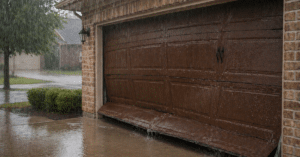
- The Door Is Off Track: An off-track garage door can suddenly collapse.
- The Cable Is Damaged: Garage door cables are under high tension.
- The Motor Stops Working: Electrical and motor problems require expertise.
- The Door Feels Heavy: This often indicates spring failure or balance issues.
In these situations, professional repair is the safest choice.
Cost Comparison: DIY vs Professional Garage Door Repair
DIY Costs
DIY repair may involve:
- Replacement parts
- Tool purchases
- Safety equipment
While cheaper upfront, mistakes may increase overall costs.
Professional Repair Costs
Professional services include:
- Labor
- Diagnostic inspection
- Specialized tools
- Warranty protection
Although more expensive initially, professional repairs often save money long term.
How to Choose a Reliable Garage Door Repair Company
If you decide to hire a professional, choose carefully.
Look for These Qualities
- Experience and Certifications: Choose companies with trained technicians and industry experience.
- Positive Reviews: Customer feedback reflects reliability and service quality.
- Transparent Pricing: Avoid companies with hidden charges.
- Emergency Services: Fast response times are important for urgent repairs.
- Warranty Coverage: Reliable companies stand behind their work.
Frequently Asked Questions (FAQs)
Q1. Is DIY garage door repair safe?
A: DIY repair is only safe for simple maintenance tasks. Complex repairs involving springs or cables should be handled professionally.
Q2. What garage door repairs are most dangerous?
A: Spring replacement, cable repairs, and off-track door adjustments are the most dangerous.
Q3. Is hiring a professional worth the cost?
A: Yes. Professional repairs improve safety, reliability, and long-term performance.
Q4. How do I know if my garage door spring is broken?
A: Signs include a heavy door, loud snapping sound, or difficulty opening the garage door.
Q5. Can improper repairs damage the garage door opener?
A: Yes. Incorrect repairs can strain the opener motor and damage the system further.
Conclusion
When comparing DIY vs professional garage door repair, the safest option depends on the type of repair needed. Basic maintenance tasks can often be handled safely at home, but high-risk repairs involving springs, cables, motors, or track systems should always be left to professionals.
If the repair involves heavy components, electrical systems, or high-tension parts, avoid the risk and contact a qualified garage door technician. Professional service may cost more upfront, but it provides safer, more reliable, and longer-lasting results.