Your garage door is one of the most frequently used features of your home, yet it’s often taken for granted until it starts causing problems. Many homeowners wonder when should you replace your garage door and whether repairs are still worth the cost. The answer depends on several factors, including safety, performance, appearance, and long-term value.
A garage door is more than a convenience. It plays a major role in home security, energy efficiency, and curb appeal. Knowing the right time to replace it can save you money, prevent sudden breakdowns, and improve daily comfort. This guide explains the most important signs, considerations, and benefits of garage door replacement in a clear, easy-to-understand way.
Why Garage Door Replacement Matters
Garage doors operate under tension and move heavy weight multiple times a day. Over time, wear and tear affects panels, springs, rollers, and openers. While minor issues can be repaired, there comes a point when replacement is the safer and more cost-effective choice.
Understanding when should you replace your garage door helps you avoid repeated repairs, unexpected failures, and potential safety hazards.
When Should You Replace Your Garage Door Due to Age?
One of the clearest indicators is age. Most garage doors are designed to last between 15 and 30 years, depending on material, usage, and maintenance.
Signs Age Is Catching Up
Older garage doors may:
- Lack modern safety features
- Operate noisily
- Have outdated insulation
- Show visible wear
If your garage door is approaching or beyond its expected lifespan, replacement is often a smarter investment than ongoing repairs.
When Should You Replace Your Garage Door for Safety Reasons?
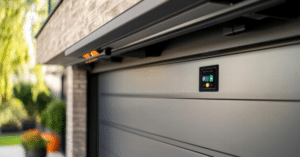
Safety should always be a top priority. Older garage doors may not meet current safety standards, especially if they were installed before modern auto-reverse sensors became standard.
Common Safety Concerns
A garage door should be replaced if:
- Safety sensors frequently fail
- The door closes too quickly
- Cables or springs are visibly worn
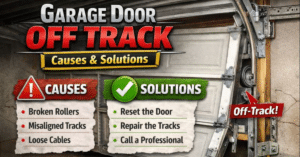
- The door comes off track repeatedly
These issues increase the risk of injury and property damage.
Frequent Repairs: A Clear Warning Sign
If you find yourself calling for service multiple times a year, it’s time to ask when should you replace your garage door instead of repairing it again.
Repair vs Replacement Costs: Occasional maintenance is normal, but frequent repairs add up quickly. When repair costs approach half the price of a new door, replacement usually offers better long-term value.
Visible Damage and Structural Issues
Cosmetic damage can sometimes be repaired, but structural problems often signal replacement.
Damage That Signals Replacement
Look closely for:
- Cracked or warped panels
- Severe dents affecting alignment
- Rust spreading across steel doors
- Rotting or splitting wood
Structural damage affects both appearance and performance, making replacement the safer option.
When Should You Replace Your Garage Door for Energy Efficiency?
If your garage is attached to your home, insulation matters more than many homeowners realize. Older garage doors often lack proper insulation, allowing heat loss in winter and heat gain in summer.
Signs of Poor Insulation
You may notice:
- Cold drafts in the garage
- Rising energy bills
- Temperature fluctuations near living spaces
Replacing your garage door with a modern insulated model can significantly improve comfort and efficiency.
Noise and Performance Problems
A garage door that rattles, squeaks, or shakes excessively may indicate worn components or structural fatigue.
When Noise Means Replacement: Some noise can be fixed with lubrication or part replacement. However, if the door continues to operate roughly despite maintenance, replacement may be the best solution. Smooth, quiet operation is a sign of a healthy garage door system.
Outdated Design and Curb Appeal
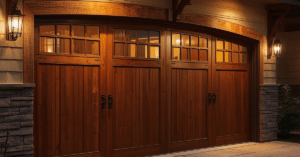
Your garage door makes up a large portion of your home’s exterior. An outdated or worn door can negatively impact curb appeal.
When Appearance Matters
Homeowners often replace garage doors to:
- Modernize home appearance
- Increase resale value
- Match renovations or upgrades
If aesthetics are important to you, replacement offers immediate visual improvement.
When Should You Replace Your Garage Door Before Selling Your Home?
Replacing a garage door before listing your home can be a smart move. New garage doors consistently rank among the highest return-on-investment home improvements.
Buyers appreciate:
- Modern design
- Quiet operation
- Improved security
- Energy efficiency
A new garage door can make a strong first impression.
Technology and Smart Features
Older garage doors may not be compatible with modern openers or smart technology.
Signs It’s Time to Upgrade
Consider replacement if:
- Your opener lacks safety features
- You want smart-home integration
- Remote controls work inconsistently
Modern garage doors work seamlessly with updated opener systems.
When Should You Replace Your Garage Door Instead of Repairing It?
Here’s a simple guideline:
- Repair if the issue is minor, isolated, and affordable
- Replace if problems are frequent, structural, or safety-related
Professional inspections can help determine the best option for your situation.
Professional Evaluation Makes the Decision Easier
If you’re unsure when should you replace your garage door, a professional assessment provides clarity. Technicians can inspect components, evaluate safety, and recommend cost-effective solutions.
Long-Term Benefits of Garage Door Replacement
Replacing your garage door offers several long-term advantages:
- Improved safety
- Better energy efficiency
- Reduced maintenance costs
- Enhanced curb appeal
- Increased home value
These benefits often outweigh the initial investment.
Frequently Asked Questions (FAQ)
Q: How long does a garage door usually last?
A: Most garage doors last 15–30 years with proper maintenance.
Q: Is it cheaper to repair or replace a garage door?
A: Minor issues are cheaper to repair, but frequent or major problems often make replacement more cost-effective.
Q: Can a damaged panel be replaced instead of the whole door?
A: In some cases, yes. However, matching panels on older doors can be difficult.
Q: Does a new garage door increase home value?
A: Yes. Garage door replacement is one of the highest ROI home improvements.
Q: Should I replace my garage door if it still works?
A: If the door lacks safety features, insulation, or reliability, replacement may still be the better choice.
Conclusion
Knowing when should you replace your garage door helps you make a smart, informed decision for your home. Age, safety concerns, frequent repairs, energy efficiency, and appearance all play a role in determining the right time for replacement.
A new garage door improves safety, comfort, and curb appeal while reducing long-term costs. If your current door shows warning signs, replacement may be the best step toward a safer and more efficient home.