If your garage door has started making squeaking, grinding, or rattling noises, you’re not alone. One of the most common questions homeowners ask during routine maintenance is: Do I lubricate the rollers on garage door systems, or should they be left alone?
The short answer is yes—but only in certain situations and with the right approach. Garage door rollers play a critical role in smooth and safe operation, and improper lubrication can actually make things worse instead of better.
In this detailed guide, we’ll explain exactly when and how to lubricate garage door rollers, which rollers need lubrication, which ones don’t, and how this simple task can extend the life of your garage door system.
Understanding Garage Door Rollers
Garage door rollers are small wheels that ride inside the metal tracks and guide the door as it opens and closes. They are attached to hinges along the sides of the door and move hundreds or even thousands of times per year.
Because they handle constant movement and weight, rollers are exposed to friction, dirt, and wear. That’s why knowing do I lubricate the rollers on garage door systems is so important for long-term performance.
Why Garage Door Rollers Need Attention
When rollers are dry, dirty, or worn, your garage door has to work harder. This leads to increased noise, jerky movement, and extra strain on other components like the opener, springs, and tracks.
Proper roller maintenance helps reduce friction, minimize noise, and improve overall door balance. However, lubrication must be done correctly to avoid attracting dirt or damaging sealed bearings.
Do I Lubricate the Rollers on Garage Door Systems?
Yes, you should lubricate garage door rollers—but not all rollers are treated the same. The answer depends on the type of rollers installed on your door.
Some rollers are designed to be lubricated regularly, while others are sealed and should not be oiled at all. Understanding this difference is essential.
Types of Garage Door Rollers and Lubrication Rules
Steel Rollers with Bearings
Steel rollers with visible ball bearings are the most common type found in residential garage doors. These rollers do require lubrication to keep the bearings moving smoothly.
When asking do I lubricate the rollers on garage door systems, steel rollers with bearings are the clearest yes.
Lubrication reduces metal-on-metal friction, prevents rust, and significantly cuts down noise.
Nylon Rollers with Bearings
Nylon rollers are quieter than steel rollers and often include internal bearings. The nylon wheel itself does not need lubrication, but the bearings inside do.
A light application of lubricant to the bearing area keeps them running smoothly without damaging the nylon surface.
Sealed or Maintenance-Free Rollers
Some modern rollers are fully sealed and labeled as maintenance-free. These rollers are designed to operate without lubrication.
Applying lubricant to sealed rollers can attract dirt and shorten their lifespan. If your rollers do not have visible bearings, it’s best not to lubricate them.
Benefits of Lubricating Garage Door Rollers
Proper lubrication offers several long-term advantages. It reduces friction between moving parts, minimizes wear on bearings, and helps the garage door open and close smoothly.
Lubricated rollers also reduce noise, which is especially noticeable in attached garages. Over time, this simple maintenance step helps protect other components by reducing strain throughout the system.
What Is the Best Lubricant for Garage Door Rollers?
The best options include silicone-based spray lubricants and white lithium grease. Silicone spray works well because it dries clean and does not attract dust. White lithium grease is ideal for metal bearings when applied sparingly.
Avoid using thick oils, motor oil, or standard WD-40. WD-40 is primarily a cleaner and water displacer, not a long-term lubricant, and it can strip protective coatings from bearings.
How Often Should You Lubricate Garage Door Rollers?
In most homes, lubricating garage door rollers every six months is sufficient. If your garage door is used heavily or exposed to dust, humidity, or extreme temperatures, lubrication every three to four months may be beneficial.
Seasonal lubrication, especially before winter, helps ensure smooth operation year-round.
How to Lubricate Garage Door Rollers Correctly
Start by closing the garage door fully to reduce tension and movement. Inspect each roller to identify whether it has exposed bearings. Clean off dirt and old residue with a dry cloth.
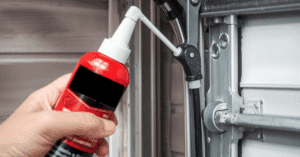
Apply a small amount of lubricant directly to the bearings, not the roller wheel itself. Avoid overspraying. After lubrication, open and close the garage door a few times to distribute the lubricant evenly.
This careful approach ensures that lubricating the rollers improves performance without causing buildup.
Should You Lubricate the Garage Door Tracks Too?
Many homeowners confuse rollers and tracks. Tracks should not be heavily lubricated. Their purpose is to guide the rollers, not reduce friction through sliding.
Tracks should be kept clean and dry, with only light lubrication if needed to prevent rust. The main focus should always be on the rollers, hinges, and springs.
Signs Your Garage Door Rollers Need Lubrication
Common warning signs include squeaking or grinding noises, jerky door movement, vibration during operation, or visible rust on roller bearings.
If these issues persist even after lubrication, the rollers may be worn out and require replacement rather than maintenance.
Safety Tips When Working Around Garage Door Rollers
Lubricating rollers is generally safe, but garage doors are heavy systems under tension. Always avoid loosening bolts or adjusting tracks. Wear gloves and eye protection, and never attempt to remove rollers unless the door is properly secured.
If rollers appear cracked, bent, or severely worn, it’s best to call a professional.
Does Lubricating Rollers Extend Garage Door Life?
Yes, proper roller lubrication plays a significant role in extending the lifespan of your garage door system. Reduced friction means less strain on the opener, springs, and hinges.
This preventative maintenance step can help delay costly repairs and improve daily performance.
Common Mistakes to Avoid
Over-lubrication is a frequent mistake. Excess lubricant attracts dirt and dust, which can cause more friction over time. Another mistake is lubricating sealed rollers or using the wrong type of product.
Always remember that knowing do I lubricate the rollers on garage door systems also means knowing when not to.
Final Thoughts
So, do I lubricate the rollers on garage door systems? Yes—when the rollers have exposed bearings and are designed for lubrication. Steel and nylon rollers with bearings benefit greatly from regular, light lubrication using the correct products. Sealed rollers, however, should be left alone. By lubricating every six months, using silicone spray or white lithium grease, and avoiding over-application, you can keep your garage door running smoothly, quietly, and safely for many years.