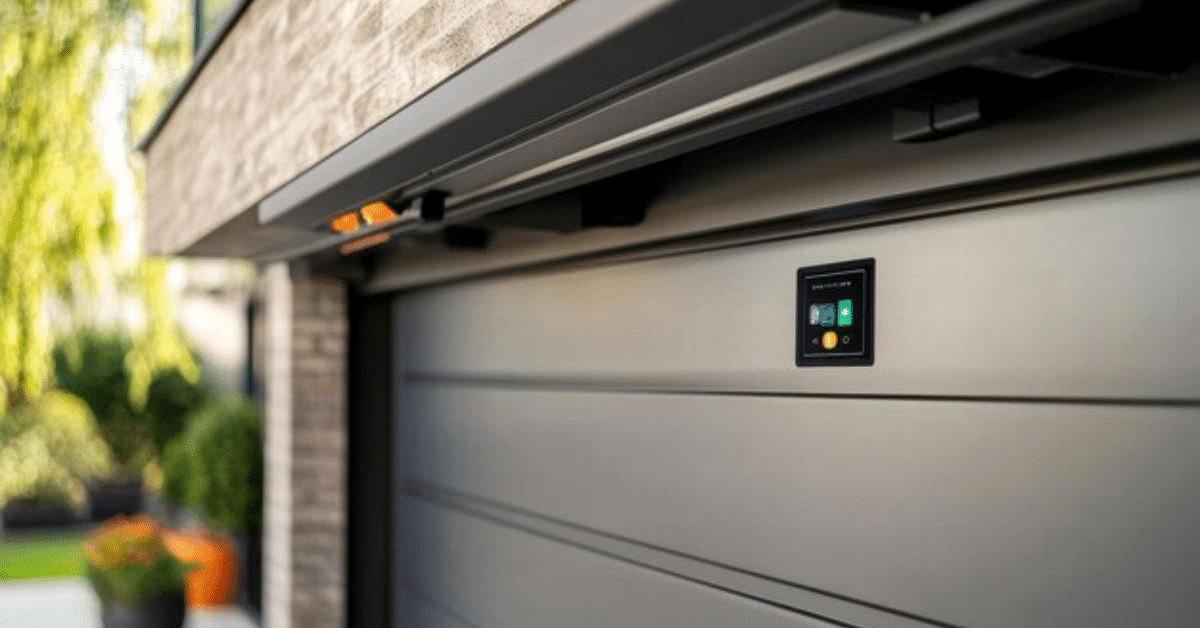
A malfunctioning garage door can quickly disrupt your daily routine, especially when it refuses to close or stops midway for no obvious reason. In many cases, the problem isn’t the opener or the door itself—it’s the safety sensor system struggling to do its job. These sensors are designed to prevent accidents, but even minor issues can cause them to act up.
This guide explains how to repair garage door sensors issues in a practical, hands-on way. You’ll discover how to identify common faults such as misalignment, loose connections, dust buildup, or environmental interference, and learn simple fixes you can handle at home. With the right steps, you can restore proper sensor function and get your garage door working smoothly again without unnecessary stress or expense.
What Are Garage Door Sensors and How Do They Work?
Garage door sensors, also known as photo-eye sensors, are safety devices installed near the bottom of the garage door tracks. They use an invisible infrared beam to detect objects in the door’s path.
When something interrupts this beam—such as a child, pet, or object—the door automatically stops or reverses. This safety feature prevents serious injuries and property damage, making the sensors a vital part of your garage door system.
Common Signs Your Garage Door Sensor Needs Repair
Before learning how to repair garage door sensors issues, it’s important to identify the symptoms. Common warning signs include:
- Garage door won’t close completely
- Door closes halfway and reverses
- Sensor lights are blinking or off
- Door only closes when holding the wall button
- Error codes on the garage door opener
If you notice one or more of these issues, your sensors likely need attention.
Safety First: What to Do Before Repairing Garage Door Sensors
Before starting any repair work, take these safety steps:
- Disconnect power to the garage door opener
- Avoid touching moving parts while testing
- Never bypass sensors permanently
- Use a stable ladder if needed
- Wear basic safety gloves
Following these precautions ensures you stay safe while learning how to repair garage door sensors problems properly.
How to Repair Garage Door Sensors: Step-by-Step Solutions
Check Sensor Alignment (Most Common Fix)
Misaligned sensors are the number one cause of garage door sensor problems.
How to fix alignment:
- Locate both sensors near the floor on either side of the door
- Check if they face each other directly
- Loosen the mounting wing nut slightly
- Adjust until both sensor lights stay solid
- Tighten the nut carefully
In many cases, proper alignment instantly solves the issue.
Clean Dirty or Obstructed Sensors
Dust, spider webs, and debris can block the infrared beam.
Steps to clean sensors:
- Use a soft cloth or microfiber towel
- Gently wipe the sensor lenses
- Avoid harsh chemicals or water sprays
- Remove any objects blocking the beam
Cleaning is a simple but highly effective way to repair garage door sensor issues.
Inspect Sensor Wires for Damage
Damaged or loose wiring can interrupt the sensor signal.
What to look for:
- Frayed or cut wires
- Loose connections at the opener
- Staples pinching the wire
- Corrosion near terminals
If you find minor damage, electrical tape may help temporarily. However, severely damaged wires should be replaced to fully repair garage door sensor functionality.
Tighten Loose Sensor Brackets
Over time, vibrations can loosen sensor brackets.
Fixing loose brackets:
- Check mounting screws
- Tighten gently with a screwdriver
- Ensure sensors remain level
- Avoid overtightening
Stable brackets help maintain alignment and prevent recurring problems.
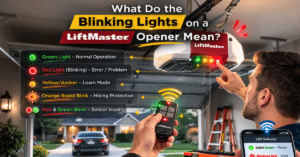
Fix Blinking or Off Sensor Lights
Sensor lights provide valuable diagnostic information.
- Solid light: Sensor is working correctly
- Blinking light: Alignment or wiring issue
- No light: Power or wiring failure
If lights remain off after cleaning and alignment, recheck wiring connections at the garage door opener.
Reduce Sunlight Interference
Direct sunlight can overpower the infrared beam.
Solutions include:
- Slightly angling the sensor away from direct sun
- Installing a small shade or cover
- Swapping sensor sides if supported
This is a lesser-known but important step when learning how to repair garage door sensors problems.
How to Repair Garage Door Sensors Wiring Issues
Reconnecting Loose Wires
Loose wires are easy to fix and often overlooked.
- Turn off power to the opener
- Remove the opener cover
- Reinsert loose wires into terminals
- Tighten terminal screws securely
Once reconnected, test the door operation.
Replacing Damaged Sensor Wires
If wires are beyond repair:
- Purchase compatible sensor wire
- Remove old wiring carefully
- Route new wire along the same path
- Secure with insulated staples
- Reconnect to correct terminals
This ensures a long-term solution rather than a temporary fix.
Reset the Garage Door Opener After Sensor Repair
Sometimes the opener needs a reset to recognize repaired sensors.
How to reset:
- Unplug the opener for 30–60 seconds
- Plug it back in
- Test the garage door
Resetting helps clear error codes and sync the system properly.
When to Replace Instead of Repair Garage Door Sensors
While many issues are fixable, replacement may be necessary if:
- Sensors are cracked or water-damaged
- Internal components have failed
- Sensors are outdated or incompatible
- Repairs don’t restore proper function
Replacement sensors are affordable and easy to install, making them a practical choice in these cases.
How to Test Sensors After Repair
After completing the steps on how to repair garage door sensors, testing is essential.
Testing method:
- Close the garage door
- Place an object in the sensor path
- Door should stop or reverse immediately
If it doesn’t, recheck alignment and wiring.
Prevent Future Garage Door Sensor Problems
To avoid repeated repairs:
- Clean sensors monthly
- Check alignment after bumps or vibrations
- Keep sensor area clear
- Inspect wiring annually
Preventive care reduces breakdowns and extends sensor life.
Frequently Asked Questions
Q: Can I bypass garage door sensors?
A: No. Bypassing sensors permanently is unsafe and often illegal. Always repair or replace them instead.
Q: Why does my door close only when holding the button?
A: This usually means the sensors aren’t detecting each other properly due to misalignment or wiring issues.
Q: How long do garage door sensors last?
A: With proper care, sensors can last 10–15 years.
Final Thoughts
Learning how to repair garage door sensors issues can save time, money, and frustration. Most problems—such as misalignment, dirt, loose wiring, or sunlight interference—are easy to fix at home with basic tools and patience.
By following this guide step by step, you can restore safe and smooth operation to your garage door while meeting all safety standards. Regular maintenance and quick attention to warning signs will ensure your garage door sensors continue protecting your family and property for years to come.