Garage door safety sensors are designed to protect people, pets, and property. They stop the door from closing if something crosses the beam. Still, many homeowners search for how to disable garage door sensors when the door won’t close, keeps reversing, or flashes error lights.
Before we go further, it’s important to say this clearly: disabling garage door sensors is not recommended for everyday use. In many regions, it can violate safety regulations and create serious injury risks. However, there are temporary and controlled situations—mainly troubleshooting—where homeowners want to understand how sensors work and how they can be bypassed briefly for testing.
This guide explains the process, risks, and safer alternatives so you can make an informed decision.
What Are Garage Door Sensors and Why Do They Matter?
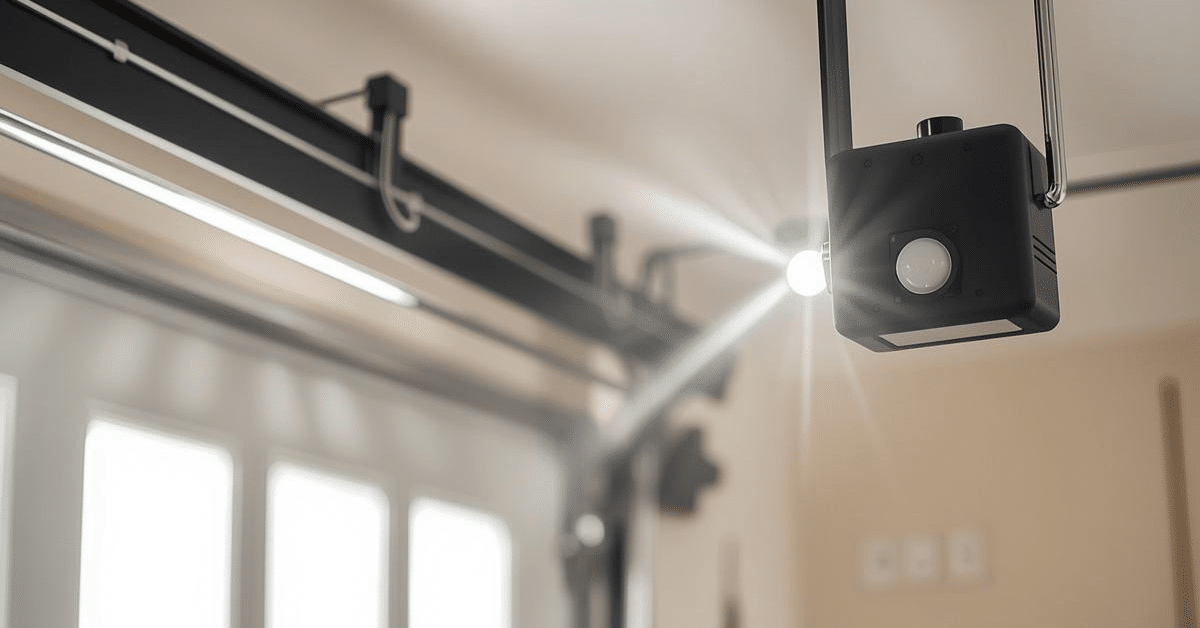
Garage door sensors (also called photo-eye sensors) are small devices installed near the bottom of each side of the garage door track. They send an invisible infrared beam across the opening.
If the beam is interrupted, the door automatically stops or reverses. This feature has prevented countless accidents and has been required by safety standards for decades.
Is It Legal to Disable Garage Door Sensors?
In most cases, permanently disabling garage door sensors is unsafe and may violate local building or safety codes. Manufacturers also warn against it, and doing so may void warranties.
That said, homeowners still look for ways to disable garage door sensors temporarily during:
- Sensor alignment troubleshooting
- Electrical diagnostics
- Emergency door closure
- Testing garage door opener behavior
If your sensors aren’t working, fixing or replacing them is almost always the better solution.
Common Reasons People Try to Disable Garage Door Sensors
Misaligned Sensors: This is the most common issue. A slight bump, vibration, or loose bracket can cause misalignment.
Sensor Wiring Problems: Damaged or chewed wires can interrupt the signal.
Sunlight Interference: Direct sunlight can overwhelm the sensor receiver.
Faulty Garage Door Opener: Sometimes the opener itself is the issue, not the sensors.
Understanding these reasons helps you decide whether disabling sensors is even necessary.
How to Disable Garage Door Sensors (Temporary Methods)
⚠️ Warning: These methods are for temporary testing only. Never operate your garage door regularly without functioning sensors.
Method 1: Holding the Wall Button Down
Many modern garage door openers allow the door to close if you press and hold the wall-mounted button.
Steps:
- Clear the garage doorway completely
- Press and hold the wall control button
- Keep holding until the door fully closes
This does not truly disable sensors, but it bypasses them momentarily and is the safest temporary option.
Method 2: Disconnecting the Sensor Wires (Not Recommended)
Some homeowners attempt to disable garage door sensors by unplugging or cutting the sensor wires.
Why this is risky:
- The opener may refuse to work at all
- It can damage the logic board
- It creates serious safety hazards
Most modern openers detect missing sensors and won’t operate properly.
Method 3: Installing a Jumper Wire (Advanced & Unsafe)
This method tricks the opener into thinking sensors are connected by looping the terminals.
Important notes:
- This method varies by brand
- It can permanently damage the opener
- It removes all safety protection
This approach should only be mentioned for understanding—not execution—by homeowners.
Why You Should Avoid Permanently Disabling Sensors
Disabling garage door sensors exposes you to several risks:
- Injury to children or pets
- Damage to vehicles
- Legal liability
- Insurance claim issues
- Voided manufacturer warranty
Even a single accident can cost far more than replacing faulty sensors.
Safer Alternatives to Disabling Garage Door Sensors
Realign the Sensors: Clean the lenses and gently adjust both units until indicator lights are solid.
Clean the Sensor Lenses: Dust, cobwebs, or moisture can block the infrared beam.
Check Wiring Connections: Look for loose staples, pinched wires, or corrosion.
Replace Faulty Sensors: They are relatively inexpensive and easy to replace.
Call a Professional: If troubleshooting fails, a technician can fix the issue safely.
How to Tell If Your Sensors Are the Problem
Signs your sensors need attention include:
- Door closes halfway, then reverses
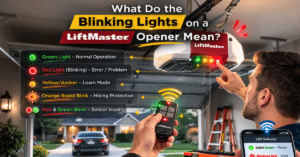
- Blinking lights on the opener
- Door closes only when holding the button
- Clicking sounds without movement
These signs point to sensor alignment or wiring issues—not a need to disable them.
Can You Operate a Garage Door Without Sensors?
Technically, older garage doors operated without sensors. However, modern systems are designed around them. Running a garage door without sensors removes a critical safety layer and is strongly discouraged.
Conclusion
While it’s possible to disable garage door sensors temporarily, it should only be done for short-term testing or emergencies—and with extreme caution. Sensors exist to protect lives and property, and disabling them permanently is never a smart solution.
If your garage door isn’t closing properly, fixing alignment, cleaning lenses, or replacing sensors is safer, cheaper, and more reliable in the long run.
FAQs: Disabling Garage Door Sensors
Q: Can I permanently disable garage door sensors?
A: No. It’s unsafe and may violate safety codes and warranties.
Q: Why does my garage door close only when I hold the button?
A: This usually means the sensors are misaligned or blocked.
Q: Do all garage door openers require sensors?
A: Most modern openers do, especially those manufactured after the 1990s.
Q: Is replacing sensors expensive?
A: No. Replacement sensors are affordable and far safer than disabling them.