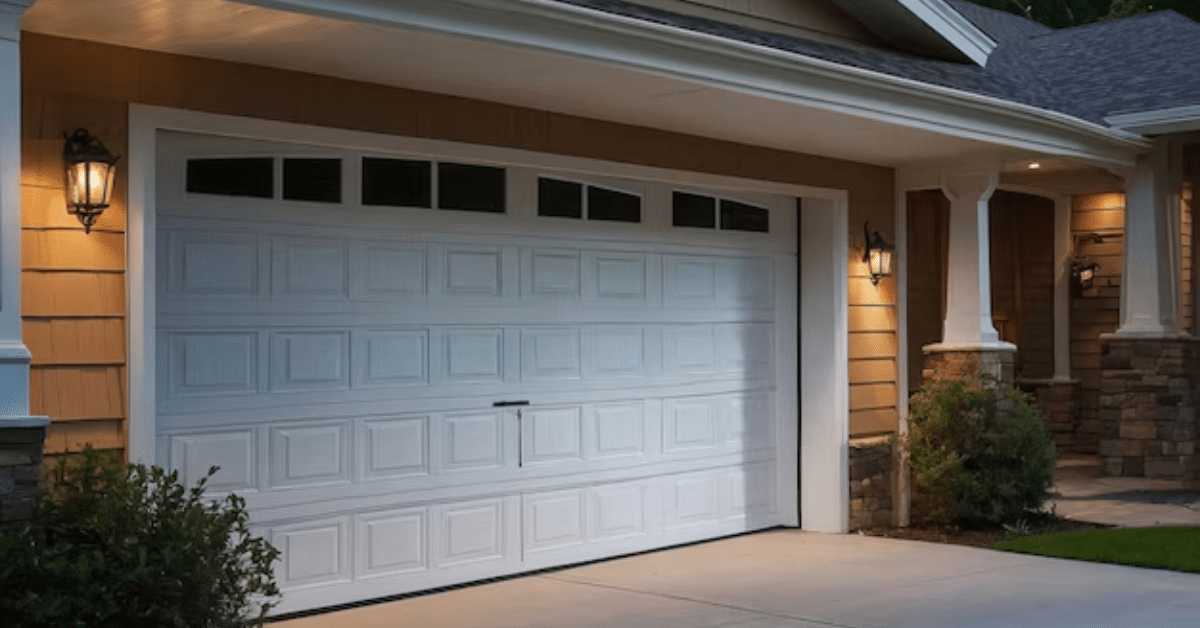
Garage doors are essential fixtures in every home—they secure your vehicles, protect your belongings, and provide daily convenience. Yet, many homeowners are surprised to learn that garage doors can overheat, especially when the opener or motor is pushed beyond its intended limits. Overheating often leads to sudden shutdowns, slow operation, or even permanent damage. Understanding the common garage door overheating problems is the first step toward preventing costly repairs and maintaining your system’s efficiency.
In this detailed guide, you’ll learn what causes garage door overheating, how to spot the warning signs, and the steps you can take to fix and prevent the issue. Whether you’re a homeowner, a beginner in garage maintenance, or simply curious about how garage door systems work, this article breaks it down in a simple, clear, and practical way.
Why Do Garage Doors Overheat?
Garage doors overheat mainly because the opener motor works too hard or receives too little ventilation. During repeated use—especially on hot summer days—your garage door system can get overwhelmed. When this happens, it shuts down automatically as a built-in safety mechanism.
Understanding the root causes helps you address the problem before it leads to system damage.
The Most Common Garage Door Overheating Problems
Overheating can come from a variety of sources, and the signs often appear gradually. Below are the most common garage door overheating problems that homeowners encounter.
1. Overworked Garage Door Motor
One of the most common reasons a garage door overheats is excessive motor strain. When the motor works harder than necessary, heat builds up inside the opener unit, eventually causing it to shut down.
Why It Happens
- Frequent use in a short span
- A heavy garage door
- Poor lubrication
- Misaligned tracks
- Worn mechanical components
If the motor is running longer than usual, it’s a sign that your system is struggling.
How to Fix It
Regular maintenance, including track alignment, lubrication, and spring adjustment, reduces motor workload and minimizes overheating.
2. Continuous or Rapid Operation
Repeatedly opening and closing your garage door is another major cause of common garage door overheating problems. Residential openers are not designed for high-frequency use like commercial ones.
Example Situation:Kids playing with the opener remote can unknowingly push the system too far. So can homeowners who use the garage as their main entrance multiple times in a row.
What Happens:The opener enters a protective cooldown mode, stopping operation temporarily.
Solution: Allow at least 10–15 minutes of rest if your motor stops working due to continuous operation.
3. Faulty or Weak Garage Door Springs
Your garage door springs carry most of the weight when the door moves. If the springs weaken or break, the opener has to pull extra weight—something it’s not designed to do.
Signs of Weak Springs
- Door feels heavier
- Opener struggles or makes grinding noises
- Door stops halfway
When the opener lifts most of the weight, it overheats quickly.
Fix
Replace the springs immediately. This is not a DIY job—springs are dangerous and require professional handling.
4. Poor Lubrication or Sticky Garage Door Tracks
When your garage door lacks lubrication, friction increases dramatically. Friction is one of the leading contributors to common garage door overheating problems.
Symptoms
- Jerky door movement
- Loud scraping noises
- Slow opening and closing
What to Do
Lubricate all moving parts every few months, including:
- Hinges
- Rollers
- Tracks
- Springs
- Chain or belt drive (depending on your opener)
Silicone-based lubricants are the most effective and long-lasting.
5. Faulty Garage Door Sensors
Garage door sensors are designed to detect movement and prevent accidents. When the sensors malfunction, the door may attempt to close repeatedly, forcing the motor to work overtime.
Causes of Sensor Issues
- Dust and dirt buildup
- Misaligned sensors
- Damaged wires
Impact: Your opener struggles to complete a cycle, which overheats the system.
Solution: Clean and realign the sensors or replace damaged wiring if necessary.
6. Hot Weather and Poor Ventilation
Weather plays a major role in common garage door overheating problems. In regions with high temperatures, your garage door motor heats up faster, especially if the garage lacks airflow.
Warning Signs
- Slow operation during summer
- Motor shutoff on hot days
- A burning smell from the opener
Preventive Tips
- Install a ventilation fan
- Add insulation to the garage ceiling
- Avoid frequent door use during peak heat hours
7. Old or Outdated Garage Door Openers
Garage door openers typically last 10–15 years. After that, the internal components wear down, wires loosen, and the motor becomes prone to overheating.
Other Signs of Aging Openers
- Excessive noise
- Slow responsiveness
- Inconsistent operation
If your unit is older than a decade, overheating is a clear signal that a replacement is needed.
8. Electrical Problems Within the Opener
Electrical issues such as damaged wiring, poor connections, or burnt circuits can cause overheating by disrupting current flow.
What to Watch For
- Intermittent power loss
- Sparks or burning smell
- Tripped circuit breakers
Electrical faults should always be handled by trained technicians.
Warning Signs of Garage Door Overheating
Catching overheating early prevents long-term damage. Look for these symptoms:
- Opener shuts down automatically
- Motor casing feels hot to the touch
- Door slows down noticeably
- Burning smell coming from the opener
- Unusual clicking noises
- Door stops halfway through operation
If these signs appear repeatedly, it’s time to schedule professional inspection.
Conclusion
Garage door overheating is a common issue that homeowners face, especially in hot climates or when the door is used frequently. By understanding the common garage door overheating problems, you can protect your system from premature wear, unexpected breakdowns, and costly repairs.
Regular maintenance, proper lubrication, good ventilation, and responsible use are key to keeping your garage door running smoothly. And when overheating signs appear, addressing them quickly ensures your garage door remains safe, efficient, and long-lasting.
FAQs
Q1. Why does my garage door motor get hot quickly?
A: It often overheats due to excessive use, weak springs, or friction from poor lubrication.
Q2. How long does it take for an overheated opener to cool down?
A: Most units require 10–30 minutes of rest before functioning again.
Q3. Can overheating damage my garage door opener?
A: Yes. Repeated overheating can burn internal wiring, weaken the motor, and shorten its lifespan.
Q4. Should I replace or repair an overheating garage opener?
A: If the opener is old or struggling frequently, replacement is more cost-effective.
Q5. Can weather affect garage door overheating?
A: Absolutely. High temperatures accelerate motor overheating, especially in unventilated garages.