Garage doors are used multiple times a day, yet their maintenance is often overlooked until a problem appears. One of the most misunderstood aspects of garage door care is track lubrication. Many homeowners assume that adding grease or oil to the tracks will make the door run smoother, but this approach can actually cause more harm than good.
So, what is the best lubricant for garage door tracks, and how should it be applied? In this guide, you’ll learn the correct way to care for garage door tracks, the best lubricants to use, which products to avoid, and how proper maintenance improves both safety and performance. By the end, you’ll have a clear, expert-backed understanding of track lubrication done right.
Why Garage Door Tracks Matter So Much
Garage door tracks guide the rollers and keep the door moving straight and balanced as it opens and closes. If the tracks are dirty, corroded, or coated with the wrong lubricant, the rollers can bind or jump, causing noise, vibration, or uneven movement. Over time, this extra strain affects not only the tracks but also the rollers, hinges, and garage door opener.
Using the best lubricant for garage door tracks helps protect the metal from rust and light friction, but it must be done carefully. Tracks are not designed to be slippery surfaces, which is why over-lubrication is one of the most common mistakes homeowners make.
Should Garage Door Tracks Be Lubricated?
This is where confusion usually starts. Unlike springs or hinges, garage door tracks do not require heavy lubrication. Their primary job is to guide the rollers, not to reduce friction through sliding. In fact, too much lubricant inside the tracks can cause dirt and debris to stick, eventually leading to misalignment or jerky door movement.
That said, light lubrication after proper cleaning can be beneficial. When applied correctly, the best lubricant for garage door tracks helps prevent corrosion and reduces minor resistance without interfering with roller motion. The key is moderation and using the correct product.
What Is the Best Lubricant for Garage Door Tracks?
The best lubricant for garage door tracks is one that protects metal surfaces without attracting dust or creating sticky residue. It should dry clean, resist moisture, and perform well across different temperatures.
Silicone-Based Spray: The Best Overall Choice
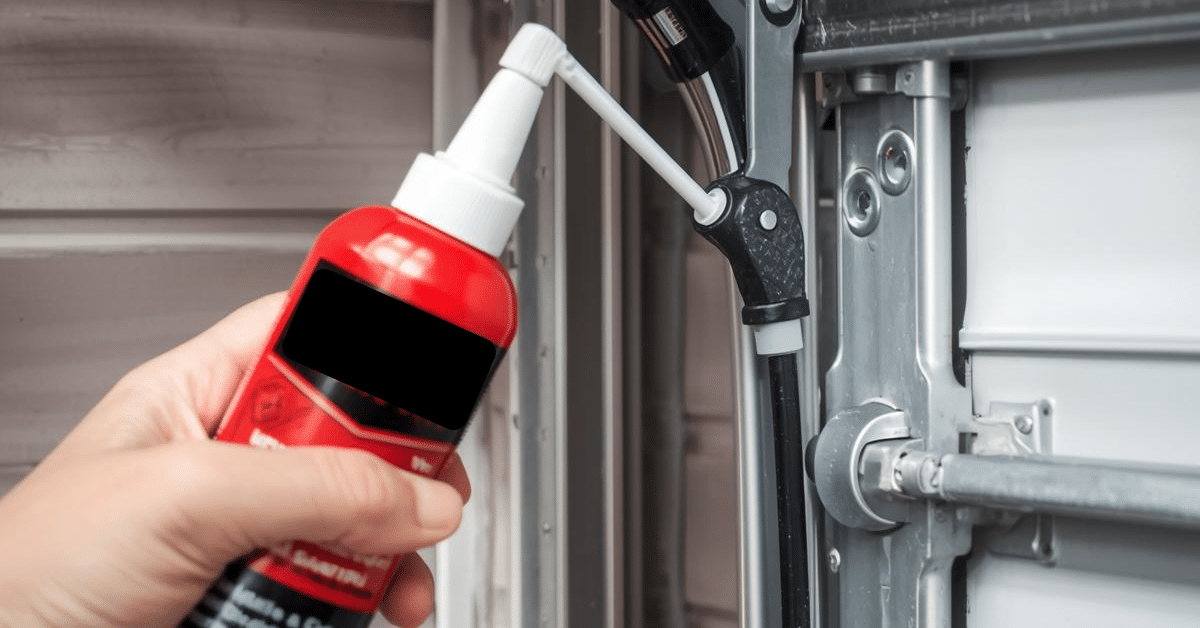
A silicone-based spray is widely considered the best lubricant for garage door tracks. It creates a thin, non-sticky protective layer that reduces minor friction and prevents rust. Because silicone dries quickly and does not attract dirt, it keeps the tracks clean while maintaining smooth operation. It also performs well in both hot summers and cold winters, making it suitable for year-round use.
Dry PTFE (Teflon-Based) Lubricants
Dry PTFE lubricants are another excellent option, particularly in garages exposed to dust, sand, or debris. These lubricants dry completely, leaving behind a smooth protective film without any oily residue. As a result, they minimize dirt buildup while still protecting the metal tracks. For homeowners in dusty environments, PTFE products are often just as effective as silicone sprays.
Garage Door–Specific Lubricants
Some manufacturers offer lubricants specifically designed for garage door systems. These products are typically silicone- or PTFE-based but formulated for compatibility with tracks, rollers, and hinges. Using a garage door–specific product ensures you are applying a lubricant engineered for this exact purpose, which can provide added peace of mind.
Lubricants You Should Avoid on Garage Door Tracks
Choosing the wrong lubricant can undo all your maintenance efforts. Thick or oily products tend to collect dust and grime, which eventually interferes with roller movement and track alignment.
Avoid using grease, motor oil, or engine lubricants, as they are too heavy for garage door tracks. Standard WD-40 should also be avoided because it is primarily a cleaner and water displacer, not a long-term lubricant. While it may temporarily quiet noise, it strips away protective coatings and leaves tracks vulnerable to wear.
Sticking with the best lubricant for garage door tracks prevents these long-term issues and keeps your system operating smoothly.
How Often Should You Lubricate Garage Door Tracks?
Garage door tracks require far less lubrication than most other components. In most cases, light lubrication once or twice a year is sufficient. This is especially true if the tracks are kept clean and dry. Lubricating more often than necessary can actually increase dirt buildup, which defeats the purpose of lubrication altogether.
A good rule of thumb is to lubricate the tracks after a deep cleaning or before winter, when moisture and temperature changes increase the risk of rust.
Cleaning Garage Door Tracks Before Lubrication
Cleaning is the most important step in track maintenance. Applying even the best lubricant for garage door tracks to dirty surfaces will trap debris and create buildup.
Start by closing the garage door to keep the rollers stationary. Use a dry brush or vacuum to remove loose dirt and debris from the tracks. Next, wipe the tracks with a damp cloth and a mild household cleaner to remove grease or grime. Avoid harsh chemicals that could damage the metal. Once cleaned, allow the tracks to dry completely before applying any lubricant.
How to Apply the Best Lubricant for Garage Door Tracks
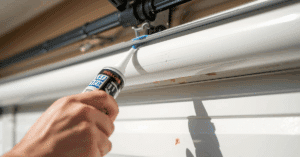
Proper application is all about control and precision. Instead of spraying lubricant directly into the track, lightly apply it to a clean cloth and wipe the inside edges of the track where corrosion is most likely to occur. This method provides protection without oversaturating the surface.
After application, open and close the garage door a few times to ensure smooth movement. If the door operates quietly and evenly, you’ve applied the right amount.
Which Garage Door Parts Actually Need More Lubrication?
While tracks need only light attention, other components benefit greatly from regular lubrication. Rollers, hinges, springs, and bearing plates experience far more friction during operation. Properly lubricating these parts often reduces noise more effectively than track lubrication alone.
Focusing your efforts on these high-friction areas, while lightly maintaining the tracks, creates a balanced and efficient garage door maintenance routine.
Signs Your Garage Door Tracks Need Attention
Look for these warning signs:
- Grinding or scraping noises
- Door shaking during operation
- Visible rust or dirt buildup
- Rollers popping out of alignment
If these issues persist after cleaning and light lubrication, professional adjustment may be required.
Seasonal Considerations for Track Lubrication
Winter: Cold temperatures can cause condensation and rust. Silicone or PTFE lubricants perform best in freezing conditions.
Summer: Heat increases dust accumulation. Clean tracks more frequently and lubricate sparingly.
Seasonal care helps the best lubricant for garage door tracks perform optimally year-round.
Final Thoughts
Garage door tracks don’t require heavy lubrication, but they do require proper care and the correct products. Using the best lubricant for garage door tracks—such as a silicone-based spray or a dry PTFE lubricant—helps protect the metal from rust without attracting dirt or causing buildup. Avoid grease, motor oil, and standard WD-40, and always clean the tracks before applying any lubricant. When lubrication is applied sparingly, once or twice a year, your garage door tracks will continue to support smooth, quiet, and reliable operation for many years.