Garage door springs are one of the hardest-working components of your entire garage door system. They carry immense tension every single day, lifting and lowering hundreds of pounds with each use. Yet, many homeowners overlook proper lubrication—until the door becomes noisy, jerky, or unsafe.
So, what is the best lubricant for garage door springs, and how do you use it correctly? In this in-depth guide, we’ll break down everything you need to know, from the best lubricant types to common mistakes and expert maintenance tips.
By the end, you’ll know exactly how to protect your garage door springs and extend their lifespan safely and effectively.
Why Lubricating Garage Door Springs Is So Important
Garage door springs operate under extreme pressure. Without proper lubrication, friction builds up, leading to faster wear, loud noises, and eventual failure.
Key Benefits of Lubricating Springs
- Reduces metal-on-metal friction
- Prevents rust and corrosion
- Minimizes squeaking and grinding noises
- Extends the life of torsion and extension springs
- Helps your garage door opener work more efficiently
In short, using the best lubricant for garage door springs can save you costly repairs and improve overall performance.
Garage Door Spring Types
Before choosing a lubricant, it’s important to understand which type of spring your garage door uses.
Torsion Springs
Mounted above the garage door, torsion springs twist to lift the door. These springs require lubrication along the coils to reduce friction and corrosion.
Extension Springs
Located along the sides of the door tracks, extension springs stretch and contract during operation. These also benefit from proper lubrication, especially in colder climates.
Regardless of type, choosing the best lubricant for garage door springs ensures smoother movement and longer durability.
Best Types of Lubricants for Garage Door Springs
Not all lubricants are created equal. Some products actually attract dirt or damage spring coatings over time. Here are the best options.
1. Silicone-Based Spray Lubricant (Best Overall Choice)
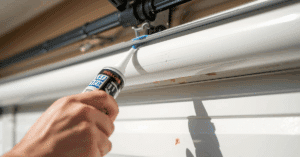
Silicone spray is widely considered the best lubricant for garage door springs due to its clean application and long-lasting protection.
Why Silicone Works Best:
- Does not attract dust or debris
- Resists moisture and rust
- Works well in extreme temperatures
- Leaves a thin, protective coating
Silicone-based lubricants are ideal for both torsion and extension springs and are safe for most garage door components.
2. White Lithium Grease (Heavy-Duty Protection)
White lithium grease is another excellent option, especially for older or heavily used garage doors.
Benefits:
- Thick consistency reduces friction effectively
- Offers strong corrosion resistance
- Ideal for metal-to-metal contact
However, it can attract dirt if overapplied, so moderation is key.
3. Garage Door–Specific Lubricants
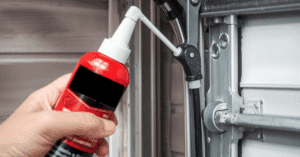
Many manufacturers produce sprays designed specifically for garage doors. These products are often silicone-based but include additives that enhance longevity.
Advantages:
- Designed specifically for springs and rollers
- Easy to apply with precision nozzles
- Balanced for long-term maintenance
Using a product labeled for garage doors ensures you’re applying the best lubricant for garage door springs safely.
Lubricants You Should Avoid (Very Important)
Using the wrong lubricant can do more harm than good.
WD-40 (Standard Formula): Despite its popularity, WD-40 is a cleaner—not a lubricant. It removes grease instead of protecting springs.
Motor Oil or Engine Grease: These attract dust and debris, leading to buildup and faster wear.
Cooking Oil or Household Lubricants: These break down quickly and offer no long-term protection.
To protect your springs properly, always choose the best lubricant for garage door springs, not general-purpose oils.
How Often Should You Lubricate Garage Door Springs?
Consistency is key when it comes to garage door maintenance.
Recommended Schedule:
- Every 6 months for normal use
- Every 3–4 months for heavy usage
- Before winter in cold climates
Regular lubrication ensures your springs stay quiet, smooth, and safe.
How to Apply the Best Lubricant for Garage Door Springs
Applying lubricant correctly is just as important as choosing the right one.
Step 1: Close the Garage Door
Ensure the door is fully closed to reduce tension on the springs.
Step 2: Clean the Springs
Wipe away dust and old residue using a dry cloth.
Step 3: Apply the Lubricant
Spray evenly along the coils of the spring. Do not oversaturate.
Step 4: Open and Close the Door
Operate the door a few times to distribute the lubricant evenly.
This process helps the best lubricant for garage door springs penetrate and protect effectively.
Signs Your Garage Door Springs Need Lubrication
Watch for these warning signs:
- Loud squeaking or grinding noises
- Jerky or uneven door movement
- Visible rust on spring coils
- Increased strain on the garage door opener
If you notice these symptoms, it’s time to apply the best lubricant for garage door springs immediately.
Safety Tips When Working Around Garage Door Springs
Garage door springs are under high tension and can be dangerous if mishandled.
Important Safety Rules:
- Never adjust or loosen springs yourself
- Only lubricate—do not tamper with hardware
- Wear gloves and eye protection
- Call a professional if springs appear damaged
Lubrication is safe, but repairs should always be left to experts.
Does Lubrication Extend the Life of Garage Door Springs?
Absolutely. Proper lubrication reduces friction, prevents corrosion, and minimizes metal fatigue.
Long-Term Benefits:
- Fewer repairs
- Longer spring lifespan
- Quieter garage door operation
- Reduced strain on connected components
Using the best lubricant for garage door springs is one of the simplest and most effective maintenance steps you can take.
Seasonal Tips for Garage Door Spring Lubrication
Winter: Cold temperatures make metal contract. Silicone-based lubricants perform best in freezing conditions.
Summer: Heat increases friction. Regular lubrication prevents excessive wear.
Adjusting your lubrication routine seasonally ensures year-round performance.
Final Thoughts
Maintaining your garage door doesn’t have to be complicated, and choosing the best lubricant for garage door springs is one of the simplest ways to protect one of the most critical parts of your garage system. Silicone spray is the best overall choice because it reduces friction without attracting dirt, while white lithium grease can work well for heavy-duty use when applied sparingly. It’s important to avoid WD-40 and household oils, as they are not designed for long-term lubrication and can cause more harm than good. By lubricating your garage door springs every six months and following a regular maintenance routine, you can keep them operating quietly, reliably, and safely for many years.